free vintage sewing patterns pdf
Summary
Discover a treasure trove of free vintage sewing patterns PDFs. Download, print, and stitch your own retro garments with ease. Start crafting today!
What Are Free Vintage Sewing Pattern PDFs?
Free vintage sewing pattern PDFs are downloadable files that provide historical garment designs for home sewers. They contain measurements, cutting instructions, and style details from past decades, allowing enthusiasts to recreate authentic vintage looks without purchasing commercial patterns and free. now!
Historical Background of Vintage Patterns
Vintage sewing patterns trace back to the late 19th century when manufacturers began mass‑producing ready‑to‑cut designs. Early pattern books were hand‑illustrated, printed on thick paper, and sold in department stores, allowing amateur seamstresses to replicate fashionable garments at home. The advent of the sewing machine in the 1850s accelerated this trend, as patterns were adapted to machine‑cut fabric, reducing labor and cost. Throughout the 1920s and 1930s, pattern makers introduced standardized sizing systems—such as the “A‑B‑C” scale—making it easier for consumers to select the correct size. During World War II, pattern libraries were compiled to support rationing, providing simplified designs that used minimal fabric. Post‑war prosperity in the 1950s and 1960s saw a boom in pattern publication, with iconic styles like the A‑line dress and the pencil skirt becoming staples. By the 1970s, the rise of catalogues and mail‑order services expanded access to patterns worldwide. In the digital age, many of these historical patterns have been digitized and made available as free PDF downloads, preserving the craftsmanship of earlier eras while offering contemporary sewers a cost‑effective way to explore classic silhouettes. These PDFs, often scanned from original pattern books, retain paper texture and annotations, allowing modern sewers to experience the feel of 20th‑century pattern while accessing; Together, they form a living archive of fashion history now todaynowagain?
Definition of “Free” and “Vintage” in Pattern Context
In the realm of sewing, “free” refers to patterns that are available at no monetary cost, often distributed by enthusiasts, historical societies, or educational institutions. These PDFs are typically shared under licenses that allow unrestricted downloading, printing, and personal use, though commercial resale is usually prohibited unless explicitly permitted. The “vintage” label denotes patterns that originate from a specific historical period—commonly the early to mid‑20th century—reflecting the design aesthetics, construction techniques, and sizing conventions of that era. Vintage patterns are prized for their authenticity; they often feature hand‑drawn illustrations, original fabric recommendations, and construction notes that mirror the practices of the time. When combined, a free vintage sewing pattern PDF offers a cost‑free gateway to historical garment creation, enabling modern sewers to experiment with period‑accurate silhouettes, fabrics, and tailoring methods. These PDFs serve as both educational tools and creative resources, preserving the legacy of past fashion while fostering contemporary craftsmanship. By downloading and printing a free vintage pattern, a maker can explore the evolution of style, study the evolution of garment construction, and appreciate the cultural context that shaped each design. The free aspect removes financial barriers, while the vintage aspect provides a tangible link to history, making these PDFs invaluable for hobbyists, historians, and designers alike. Enjoy.Try!
Where to Find Free Vintage Pattern PDFs
Explore sites like VintagePatternArchives.com, The Vintage Pattern Archive, Seamstress Source, and the Internet Archive. These platforms host thousands of free PDFs, ranging from 1920s dresses to 1950s blouses. Use search filters, check copyright notes, and download for personal use and stitch now
VintagePatternArchives.com: Overview and Access
VintagePatternArchives.com hosts a large collection of free PDF sewing patterns from the early 1900s to the late 20th century. The site offers original pattern sheets with construction notes, fabric suggestions, and period‑specific tailoring tips. Users can browse by decade or garment type through an intuitive interface. To access the patterns, register for a free account—no subscription is required. Once logged in, the search bar finds precise patterns, while the “Browse by Year” feature lists them chronologically. Each pattern page shows a thumbnail preview, historical context, and a download button. The archive also hosts a forum where sewers discuss alterations, share finished projects, and request missing patterns. A volunteer team of historians and sewing enthusiasts updates the database with newly discovered patterns from estate sales, museum collections, and private collections. All content is licensed under Creative Commons Attribution‑ShareAlike 4.0 International, allowing free use, adaptation, and redistribution for personal projects. Contributors can submit scanned copies of vintage patterns if they have the legal right to share them. This user‑friendly interface, comprehensive catalog, and community support make VintagePatternArchives.com a go‑to resource for recreating authentic vintage garments.
Users can print patterns directly, ensuring scaling. The community shares tips on fabric substitutions, making vintage designs accessible to modernsewers. By preserving these patterns, the archive keeps fashion history alive for future generations!!
The Vintage Pattern Archive: Key Features
With a user‑friendly interface, the archive offers a searchable database that filters patterns by era, garment type, and designer. Each entry includes high‑resolution scanned PDFs, a brief historical synopsis, and detailed construction notes. Users can view a preview before downloading, ensuring the pattern meets their skill level and intended use. The site emphasizes accessibility: all files are free to download after a quick sign‑up, and no credit card is required. A dedicated community forum allows sewers to discuss alterations, share finished projects, and request missing patterns, fostering a collaborative learning environment. The archive also provides a “Print‑Ready” option, automatically scaling the PDF to standard printer dimensions, which eliminates the need for manual resizing. Additionally, the platform offers a mobile‑friendly layout, so users can browse and download patterns directly from smartphones or tablets. The archive’s licensing policy follows Creative Commons Attribution‑ShareAlike, encouraging users to adapt and share their creations while giving credit to the original source. Finally, a volunteer team of historians continually updates the collection, adding newly discovered patterns from estate sales, museum archives, and private collections, ensuring the archive remains a living repository of fashion history. Users can also export patterns in editable SVG or DXF formats, enabling seamless CAD integration, and the archive offers a concise video tutorial that guides beginners through cutting, fitting, and finishing steps for every skill level. Enjoy!
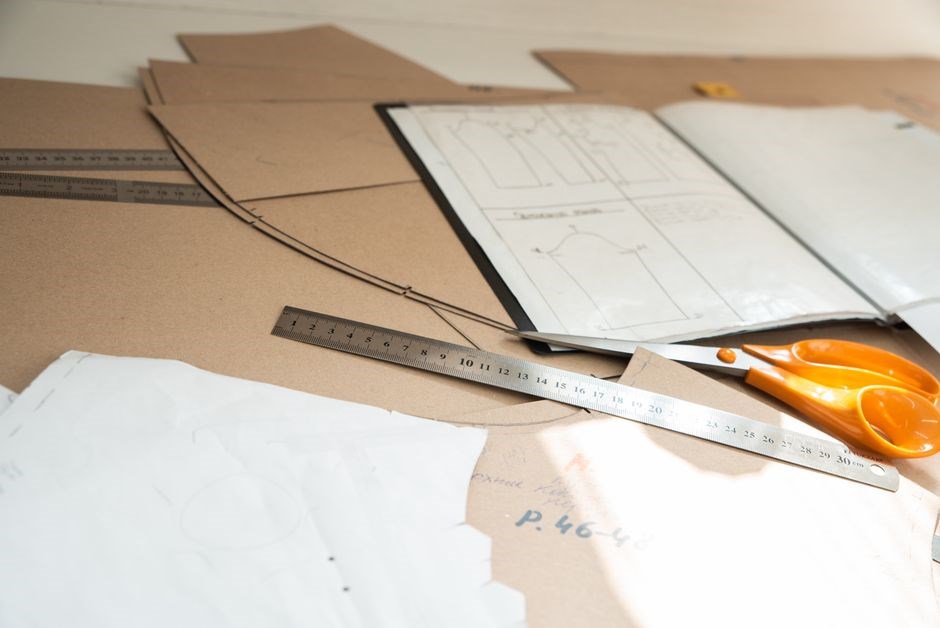
Seamstress Source: Free PDF Releases
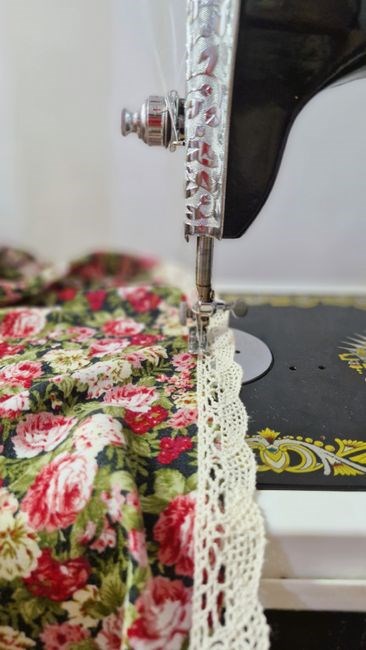
Seamstress Source has become a go‑to hub for hobbyists seeking free vintage patterns. The site curates a rotating catalog of PDFs that span the 1920s to the 1980s, each accompanied by a concise historical note and a step‑by‑step construction guide. Users can filter releases by decade, garment type, or designer, making it easy to locate a specific silhouette or style. All PDFs are available for instant download after a brief email registration, and the platform explicitly states that the patterns are released under a Creative Commons license, encouraging reuse and adaptation. The archive’s interface includes a preview pane that displays the pattern layout and a thumbnail of the finished garment, allowing sewers to gauge complexity before committing to a print; Whether you’re a seasoned tailor or a curious beginner, these PDFs give step‑by‑step guidance that honors designs with new tweaks. Enjoy!
Internet Archive Collections: Searching Tips
When hunting for free vintage sewing pattern PDFs on the Internet Archive, start by using the advanced search. Enter keywords such as “sewing pattern”, “vintage”, “1920s”, “1930s”, or “1930s dress pattern” in the “All fields” box. Then, narrow the results by selecting the “Books” or “Text” format under the “Content type” filter. To ensure you’re viewing downloadable PDFs, tick the “PDF” option in the “File type” filter. The Archive’s “Year” filter is also useful; set a range that matches the era you’re interested in, for example 1920‑1939 for early‑20th‑century styles. Once the list populates, click on the title to open the item page. The “Download Options” section lists all available file formats; choose the PDF for a clean, printable pattern. If the pattern is embedded in a larger book, use the “Page” navigation to locate the specific pattern page, then right‑click the thumbnail to download the PDF of that page. Many items also offer a “Text” or “OCR” version; these can be handy for extracting measurements or notes. Finally, bookmark the item page for future reference, and consider adding the pattern to a personal collection using the Archive’s “Add to Collection” feature. This systematic approach saves time and ensures you’re accessing legitimate, free-to-use vintage patterns. Tip: If you encounter a pattern that is not fully legible, use the Archive’s OCR text to verify measurements. Always double‑check the scale before cutting, as older patterns may use different sizing conventions
Copyright Status and Fair Use Guidelines
When accessing free vintage sewing pattern PDFs, it is essential to understand the legal landscape that governs their use. Most patterns published before 1923 are in the public domain in the United States, meaning they can be reproduced, altered, and sold without permission. However, patterns from 1923 to 1977 may still be under copyright, depending on whether the copyright was renewed. The Internet Archive and other repositories often provide a copyright status indicator; a “Public Domain” tag signals that the file can be used freely. If a pattern is listed as “Copyrighted”, you must obtain permission from the rights holder before using it for commercial purposes. For non‑commercial, personal projects, the U.S. Copyright Office’s Fair Use doctrine may apply. Fair Use considers four factors: the purpose and character of use, the nature of the copyrighted work, the amount used, and the effect on the market. Transformative use—such as modifying a vintage pattern to create a new design—strengthens a fair use claim. Using only a small portion of a pattern, or a single page, also favors fair use. Nonetheless, fair use is a defense, not a right, and courts evaluate each case individually. To mitigate risk, always check the repository’s licensing terms, provide attribution, and avoid selling the original pattern unchanged. When in doubt, consult a copyright attorney or seek a license from the rights holder. Respect the creator’s original intent.!
Types of Vintage Patterns Available
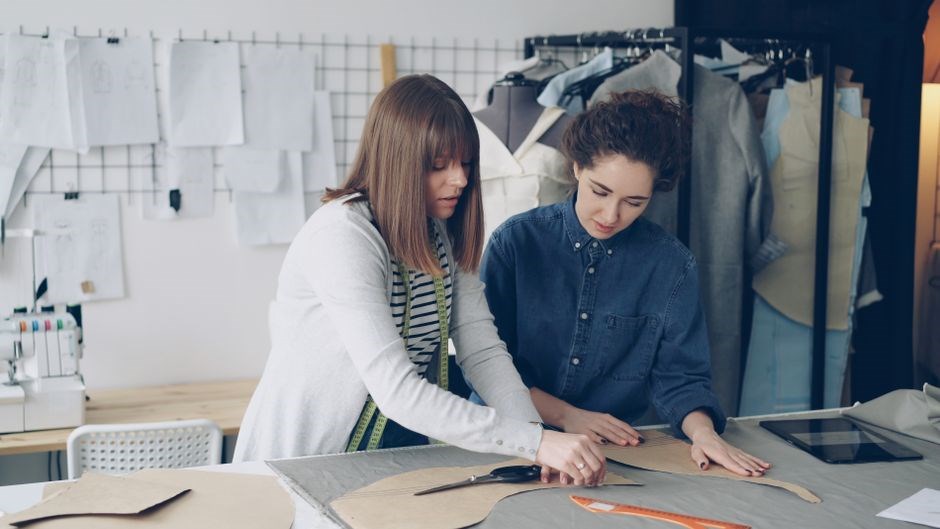
Free vintage sewing pattern PDFs cover a wide array of styles, from flapper‑era 1920s dresses, to 1940s wartime jackets, 1950s A‑line silhouettes, 1960s mod jumpsuits, and 1970s bell‑bottoms. Each PDF offers detailed measurements, construction notes, and historical context for authentic recreation. Enjoy crafting.!
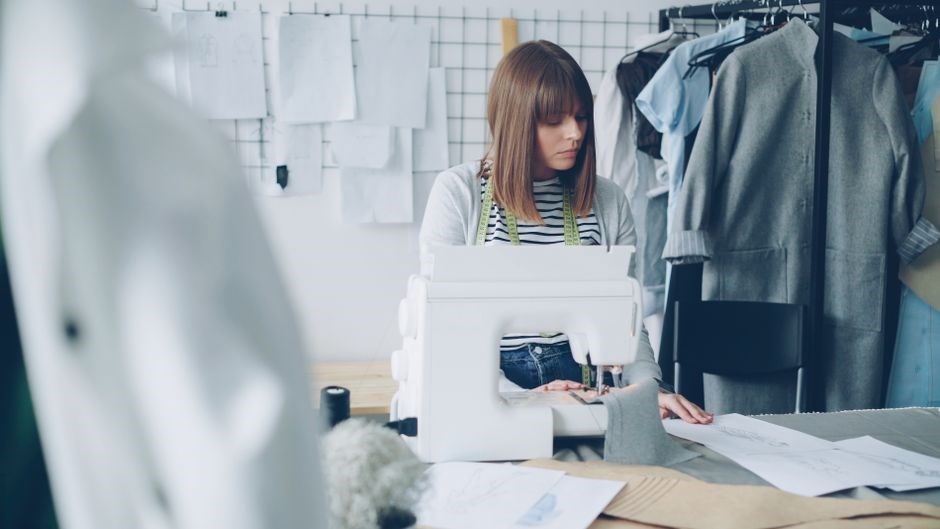
1920s Garments: Dresses, Skirts, Jackets
Free vintage sewing pattern PDFs for the 1920s offer a window into the era’s iconic silhouettes, from flapper dresses with dropped waistlines to tailored jackets featuring wide lapels and dramatic pockets. Many PDFs include detailed measurements, fabric recommendations, and step‑by‑step construction notes that reflect the original patterns’ proportions. The flapper dress PDFs often feature a dropped waist, a loose bodice, and a full skirt that gathers at the hem, while the jacket PDFs showcase a single‑browed collar, a boxy shape, and a front closure that can be adapted for modern fabrics. Skirt patterns from the decade typically come in both A‑line and full‑skirt styles, with options for pleating or a simple straight cut. These free downloads also provide historical context, such as the influence of the 1918 influenza pandemic on fabric shortages and the rise of the “boy‑friend” style that blurred gender lines. By printing the PDFs and following the instructions, hobbyists can recreate authentic 1920s garments that celebrate the decade’s exuberance and craftsmanship. When working with these PDFs, it’s essential to check the scale and adjust the pattern pieces to fit your body measurements. Many designers provide a conversion table that lets you shift the pattern from the original 1920s sizing to contemporary standards. After printing, trim the lines with a sharp pair of scissors, and use a ruler to ensure straight edges. Sewing these vintage designs offers a rewarding way to connect with fashion history while creating garments that can be worn today.!!!!!!!
1950s Styles: A-Line Dresses, Pencil Skirts
Free vintage sewing pattern PDFs for the 1950s capture the era’s clean lines, tailored silhouettes, and subtle embellishments. A‑line dresses in these PDFs feature a fitted bodice, a gently flared skirt that falls to mid‑calf or knee, and a modest neckline, often with a small bow or a simple button closure. The patterns include detailed construction notes: a dart‑free bodice, a single‑piece skirt with a built‑in waistband, and optional puffed sleeves that can be adapted to modern fabrics. Pencil skirts are represented with a narrow, straight cut that hugs the hips and thighs, a defined waistline and a concealed zipper or hook‑and‑eye closure. The PDFs provide measurements for bust, waist, hips, and length, along with a recommended fabric weight and a list of optional trims such as a satin ribbon or a small lace panel. Many designers include a note explaining how the 1950s “New Look” by Christian Dior influenced the rise of the A‑line and the popularity of the pencil skirt, and how very fabric choices were affected. When printing these PDFs, adjust the scale to your body measurements using the conversion chart, cut the pattern pieces with a sharp pair of scissors, and ensure all seam allowances are marked. Sewing the A‑line dress or pencil skirt from a free PDF allows you to recreate a timeless look that can be worn for cocktail parties, office wear, or casual outings, while also giving you a sense of the craftsmanship that defined the decade. Enjoy the process, experiment with different fabrics, and add your own modern twist to these classic designs.
How to Use and Print PDF Patterns
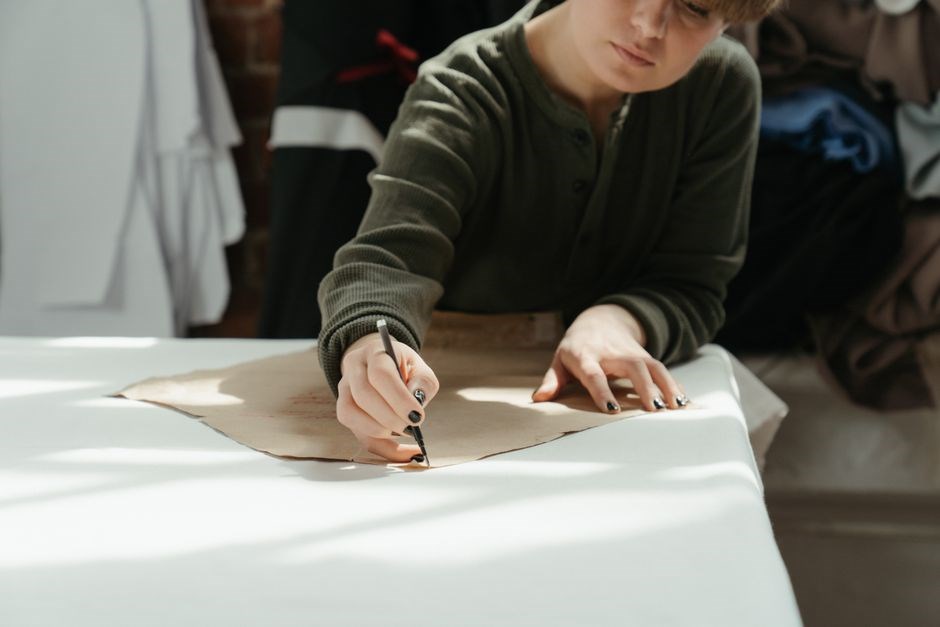
Before you begin, download the PDF from a reputable source and save it to a folder you can easily locate. Open the file with a PDF viewer that allows you to zoom and rotate; most free viewers (Adobe Reader, Foxit, or the built‑in browser viewer) support these functions. Print the pattern at 100 % scale—most printers will automatically adjust, but double‑check the “scale” or “fit to page” setting in the print dialog to avoid a 50 % reduction. If your printer has a “borderless” option, enable it so the pattern’s edges are not trimmed. After printing, use a ruler or a pattern‑cutting mat to trim any white margins; this ensures the pattern pieces line up correctly when you assemble them. Next, lay the printed pattern on a flat surface and place a piece of tracing paper or a light‑colored fabric over it. Use a pen or a fine‑pointed marker to copy the outlines, seam allowances, and any notches or darts onto the fabric. If the PDF includes multiple sizes, choose the one that best matches your measurements, or use the conversion chart to adjust the pattern to your own dimensions. For patterns with multiple pieces, keep the pieces organized by labeling them with a pen or a small sticker. When cutting, always follow the grainline arrows and cut along the outer edge of the seam allowance to preserve the correct width. Finally, after cutting, lay the pieces flat, align the notches, and pin them together before stitching. This method preserves the integrity of the original design while allowing you to adapt it to modern fabrics and personal preferences. Enjoy crafting.