home touch steamer manual
Summary
Need a home touch steamer manual? We’ve got you covered! Download manuals easily & get back to steaming. Quick access to guides for all models!
Home Touch Steamers‚ like the PS-200‚ PS-251‚ and PS-300 models‚ offer a convenient way to remove wrinkles from garments‚ providing a professional finish at home.
These commercial garment steamers are designed for efficient and safe use‚ as detailed in accompanying instruction manuals and warranty information available online.
What is a Home Touch Steamer?
Home Touch Steamers‚ manufactured by Homedics (models PS-200‚ PS-251‚ PS-300)‚ are electric garment care appliances designed to efficiently remove wrinkles from clothing and fabrics.
Unlike traditional irons‚ these steamers utilize hot steam to relax fabric fibers‚ offering a gentler alternative. Detailed instruction manuals‚ readily available on platforms like ManualsLib‚ emphasize safe operation and proper usage for optimal results. They are considered commercial-grade for home use.
Benefits of Using a Home Touch Steamer
Home Touch Steamers offer numerous advantages over traditional ironing. They are faster‚ gentler on fabrics‚ and can handle a wider variety of materials‚ as outlined in the product manuals.
Steaming reduces the risk of scorching and shining‚ preserving garment quality; The PS-251 Deluxe model‚ for example‚ is designed for commercial use‚ indicating durability and efficiency‚ providing professional results at home.
Understanding Your Home Touch Steamer Model
Home Touch Steamers come in various models – PS-200‚ PS-251‚ and PS-300 – each with specific features detailed in their respective instruction manuals for optimal use.
Identifying Your Specific Model (PS-200‚ PS-251‚ PS-300)
Accurately identifying your Home Touch Steamer model – whether it’s the PS-200‚ PS-251‚ or PS-300 – is crucial for accessing the correct instruction manual and warranty information.
Each model possesses unique characteristics and operational guidelines; referencing the appropriate documentation ensures safe and effective use. ManualsLib and the Homedics website provide downloadable manuals tailored to each specific unit‚ guaranteeing proper operation and maintenance.
Key Components of a Home Touch Steamer
Essential components of your Home Touch Steamer include the water tank‚ steaming head with nozzle‚ power switch‚ and often a telescopic pole for adjustable height.
Understanding each part’s function – from the water pump delivering steam to the thermal fuse ensuring safety – is vital. Refer to your model’s manual for detailed diagrams and descriptions of all components‚ aiding in proper assembly and troubleshooting.
Safety Precautions
Always prioritize safety when using your Home Touch Steamer; carefully review the instruction manual for crucial warnings regarding burns and electric shock prevention.
Following these guidelines minimizes risks and ensures safe operation of your garment steamer.
Important Safety Instructions
Before operating your Home Touch Steamer (PS-200‚ PS-251‚ PS-300)‚ thoroughly read all instructions to reduce burn‚ fire‚ and electric shock risks.
Never leave the steamer unattended while in use. Keep it away from children and pets. Always unplug the unit when not in use and allow it to cool completely before storing. Use caution when steaming‚ as the steam is hot and can cause scalding.
Refer to the manual for detailed safety guidance.
Avoiding Burns and Electric Shock
To prevent burns‚ avoid touching the steamer head or hot steam. Maintain a safe distance while steaming garments. To avoid electric shock‚ never operate the steamer with a damaged cord or plug.
Do not immerse the unit in water. Ensure the steamer is properly grounded. Always unplug before filling‚ emptying‚ or cleaning. Refer to the instruction manual (PS-200‚ PS-251‚ PS-300) for comprehensive safety precautions.
Setting Up Your Home Touch Steamer
Proper setup involves carefully filling the water tank and ensuring secure placement. Power on the unit‚ following the initial setup guidelines in your PS-251 manual.
Always check water levels before each use for optimal steaming performance.
Filling the Water Tank
Before operation‚ always ensure the steamer is unplugged and cooled. Carefully remove the water tank‚ typically located on the unit’s back or side‚ as shown in your PS-200/251/300 manual.
Fill the tank with clean‚ distilled water to the indicated maximum fill line. Avoid overfilling‚ as this can cause spitting or malfunction. Securely reattach the tank‚ ensuring a tight seal to prevent leaks during steaming.
Using distilled water minimizes scale buildup‚ prolonging the steamer’s life.
Powering On and Initial Setup
Plug the Home Touch steamer into a grounded electrical outlet. Power on the unit using the power button; a light indicator will confirm activation. Allow several minutes for the steamer to heat up and generate steam – initial steam may contain water droplets.
Refer to your PS-251 or PS-300 manual for specific indicator light meanings. Always test steam output onto a cloth before applying to garments‚ ensuring proper function.
Steaming Techniques
Always test fabric colorfastness in an inconspicuous area before steaming. Some materials‚ as noted in manuals‚ steam best from the underside for optimal results.
Repeated steaming may be necessary for heavier fabrics to effectively remove wrinkles.
Testing Fabric Colorfastness
Before steaming any garment‚ it’s crucial to test for colorfastness to prevent potential dye transfer or discoloration. Locate an inconspicuous area – an inner seam is ideal – and apply a small burst of steam.
Observe the area closely for any color change or bleeding. If color lifts onto a white cloth‚ avoid steaming the entire garment‚ or use a lower steam setting and increased distance. Always consult fabric care labels first‚ as detailed in the Home Touch steamer manual.
Steaming Different Fabric Types
The Home Touch steamer excels with various fabrics‚ but adjustments are key. Delicate silks and synthetics benefit from a lower steam setting and greater distance‚ preventing damage.
Heavier fabrics like linen and cotton require more concentrated steam and may need repeated passes. Always check garment care labels and test colorfastness beforehand‚ as outlined in your PS-251 or PS-300 manual. Some materials steam best from the underside.
Steaming from the Underside of Fabrics
Steaming from the underside is ideal for certain fabrics‚ particularly those prone to shine or with delicate finishes. This technique minimizes visible watermarks and helps preserve the fabric’s texture.
Refer to your Home Touch PS-200‚ PS-251‚ or PS-300 manual for specific recommendations. Always test an inconspicuous area first to ensure compatibility and prevent potential damage‚ following safety guidelines.
Troubleshooting Common Issues
Common problems include the steamer not heating – often a thermal fuse issue – or the water pump functioning without steam production‚ requiring diagnosis and repair.
Consult your manual for specific troubleshooting steps related to your PS-200‚ PS-251‚ or PS-300 model.
Steamer Not Heating (Thermal Fuse Check)
If your steamer lacks heat despite power and a working pump‚ a blown thermal fuse is a likely cause. Reddit discussions confirm this is a frequent issue‚ particularly with models like the Steamfast SF-465.
Locate the fuse within the unit (refer to your manual for guidance). Visually inspect it for signs of burning or breakage. A replacement is necessary if damage is evident‚ ensuring safe operation.
Caution: Disconnect power before any inspection or repair attempts.
Water Pump Works But No Steam
If the pump operates‚ but no steam is produced‚ the issue likely isn’t water supply. Check for mineral buildup or scale within the steamer‚ potentially blocking steam pathways.
Regular descaling‚ as outlined in the manual‚ is crucial for preventing this. Ensure the steamer is properly assembled and that all connections are secure. A blocked nozzle could also be the culprit.
Maintenance and Cleaning
Regular maintenance‚ including descaling to remove mineral buildup‚ is vital for optimal performance. Cleaning the steamer nozzle prevents blockages and ensures consistent steam flow.
Refer to your model’s manual for specific cleaning instructions and recommended descaling solutions.
Descaling the Steamer
Mineral buildup from water can reduce steaming efficiency and damage your Home Touch Steamer. Regularly descaling—typically every 20-40 uses—is crucial. Consult your manual for the recommended descaling solution; often‚ a diluted vinegar solution works effectively.
Run the solution through the steamer following the manual’s instructions‚ then rinse thoroughly with clean water to remove any residue. This ensures optimal performance and prolongs the steamer’s lifespan.
Cleaning the Steamer Nozzle
Regularly cleaning the steamer nozzle prevents clogging and ensures consistent steam flow. After each use‚ allow the steamer to cool completely‚ then gently wipe the nozzle with a damp cloth to remove any fabric residue or mineral deposits.
For stubborn buildup‚ use a small brush or pin to carefully clear the nozzle opening‚ referencing your Home Touch Steamer manual for specific guidance.
Warranty Information
Homedics Home Touch Steamers are backed by a warranty covering defects in materials and workmanship. Review your product’s manual for specific coverage details.
Warranty claims require proof of purchase and adherence to outlined procedures‚ ensuring a smooth service experience.
Understanding Your Warranty Coverage
Your Home Touch Steamer warranty‚ as detailed in the instruction manual‚ typically covers manufacturing defects for a specified period from the original purchase date.
This coverage generally includes repair or replacement of defective parts‚ but does not cover damage resulting from misuse‚ accidents‚ or unauthorized repairs. Carefully review the terms and conditions outlined in your manual to fully understand your rights and responsibilities regarding warranty service.
How to Claim Warranty Service
To initiate a warranty claim for your Home Touch Steamer‚ refer to the instruction manual for specific instructions. Generally‚ you’ll need to contact Homedics customer support with proof of purchase and a detailed description of the defect.
Be prepared to potentially ship the steamer for inspection and repair; warranty service may involve a processing fee for non-defective issues.
Replacing Parts
Replacement parts‚ such as thermal fuses for models like the Steamfast SF-465‚ can be sourced online. Identifying the correct part number is crucial for compatibility.
Ensure proper installation to maintain steamer functionality and safety‚ referencing available manuals for guidance.
Finding Replacement Thermal Fuses
Locating replacement thermal fuses requires identifying the correct specifications for your specific Home Touch steamer model (PS-200‚ PS-251‚ PS-300‚ or similar). Online retailers and appliance parts suppliers often carry these fuses.
When searching‚ note the fuse’s temperature rating and physical dimensions. A Reddit user successfully diagnosed a burnt-out fuse in a Steamfast SF-465‚ highlighting the importance of accurate replacement for safe operation. Always disconnect power before replacing any component.
Sourcing Other Replacement Parts
Beyond thermal fuses‚ replacement parts for your Home Touch steamer can be found through various channels. Homedics’ official website is a primary source‚ alongside platforms like ManualsLib‚ which may offer parts diagrams.
Appliance parts retailers frequently stock components like water pumps‚ nozzles‚ and tanks. When ordering‚ have your model number (PS-200‚ PS-251‚ PS-300) readily available to ensure compatibility and proper fit.
Advanced Steaming Tips
For optimal results‚ repeatedly steam heavy fabrics and test colorfastness beforehand. Steaming from the underside can also improve wrinkle removal on certain materials.
Achieving a professional finish requires practice and understanding your Home Touch steamer’s capabilities.
Steaming Heavy Fabrics
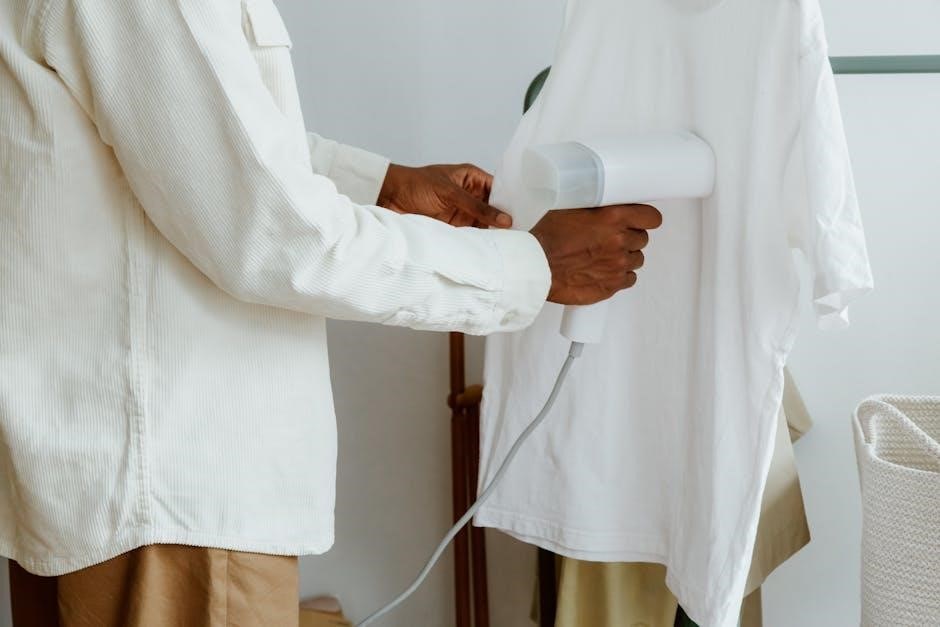
Steaming heavier fabrics‚ such as denim or thick cotton‚ often requires a different approach than lighter materials. The Home Touch steamer manual suggests repeated steaming passes are crucial for effective wrinkle removal.
Hold the steamer nozzle slightly further from the fabric and utilize a slow‚ consistent motion. Patience is key‚ as these materials require more heat and moisture penetration to release stubborn wrinkles. Always check fabric care labels first!
Achieving Professional Results
For professional-looking results with your Home Touch steamer‚ consistent technique is vital. Test fabric colorfastness in an inconspicuous area before full steaming‚ as recommended in the manual.
Employ a slow‚ deliberate motion‚ maintaining even pressure. Steaming from the underside can be beneficial for certain fabrics. Proper garment hanging and allowing fabrics to cool completely post-steam enhance the final outcome.
Frequently Asked Questions (FAQ)
Common questions regarding Home Touch Steamers often relate to troubleshooting heating issues‚ like a suspected thermal fuse‚ and understanding warranty coverage details.
Refer to the manual or Homedics’ website for solutions and support regarding your specific model (PS-200‚ PS-251‚ PS-300).
Common Questions About Home Touch Steamers
Many users inquire about why their steamer isn’t heating‚ often pointing to a potential thermal fuse failure‚ particularly in models like the Steamfast SF-465.
Others seek clarification on proper usage‚ like testing fabric colorfastness before steaming‚ and whether to steam from the underside. Warranty questions and locating manuals (Homedics website‚ ManualsLib) are also frequent.
Understanding your PS-200‚ PS-251‚ or PS-300 model’s specific instructions is crucial for safe and effective operation.
Where to Find Manuals and Support
Homedics provides comprehensive manuals for its Home Touch Steamers (PS-200‚ PS-251‚ PS-300) on their official website‚ and readily accessible resources are also available on ManualsLib.
Homedics Website and ManualsLib
For official documentation and support regarding your Home Touch Steamer (PS-200‚ PS-251‚ or PS-300)‚ the Homedics website is the primary resource. You can typically find downloadable instruction manuals‚ warranty details‚ and frequently asked questions.
Alternatively‚ ManualsLib offers a convenient archive of user manuals‚ including those for Homedics steamers. This platform provides easy access to guides for safe operation‚ troubleshooting‚ and maintenance procedures.
Storing Your Home Touch Steamer
Proper storage ensures longevity. After cooling completely‚ drain all water. Store the steamer in a cool‚ dry place‚ following the guidelines in your manual.
Proper Storage Procedures
To maximize the lifespan of your Home Touch Steamer‚ always ensure it is completely cool and dry before storing. Thoroughly drain the water tank after each use to prevent mineral buildup and potential damage.
Store the unit in a safe‚ dry location‚ away from direct sunlight and extreme temperatures. Avoid wrapping the power cord tightly‚ as this can cause damage. Refer to your specific model’s manual for detailed storage instructions.